• Home
  • About Maela
  • Companies
    • Blended Mining
    • BRICS Africa Foundation
    • Fintech, Cryto, Gold coin
    • Health Sector
    • Kokozu International
    • Lamela Consulting
    • Maela Distributors
    • Parasource Group
    • Pioneer Institute
  • Contact
  • Home
  • About Maela
  • Companies
    • Blended Mining
    • BRICS Africa Foundation
    • Fintech, Cryto, Gold coin
    • Health Sector
    • Kokozu International
    • Lamela Consulting
    • Maela Distributors
    • Parasource Group
    • Pioneer Institute
  • Contact
May 20, 2025

Why Smart Cities Are the Future: Building Intelligent, Inclusive, and Sustainable Urban Spaces

Why Smart Cities Are the Future: Building Intelligent, Inclusive, and Sustainable Urban Spaces
May 20, 2025

As urban populations around the world continue to surge, cities are facing unprecedented pressure to meet rising demands on housing, transport, energy, and essential services. In Africa alone, over 60% of the population is expected to live in cities by 2050, according to UN-Habitat.

To manage this urban evolution, nations are turning to smart city models — data-driven, tech-enabled ecosystems designed to be efficient, sustainable, inclusive, and future-ready.

Smart cities are not a luxury. They are fast becoming a necessity — especially for fast-developing regions like Africa where urban resilience, infrastructure equity, and climate adaptation must happen in tandem.

What Is a Smart City?

A smart city uses digital technologies and data to improve urban services, enhance citizen engagement, reduce environmental impact, and optimize infrastructure performance.

Key technologies include:

  • IoT (Internet of Things): Sensors monitor water, traffic, and energy systems in real-time
  • AI & Big Data: Predict trends, manage resources, and enable automated governance
  • 5G & Connectivity: Deliver high-speed, accessible digital infrastructure
  • Green energy and smart grids: Enhance sustainability and energy efficiency

Why Smart Cities Are the Future — Especially for Africa

Urban Efficiency

Smart traffic systems reduce congestion, while digital platforms streamline service delivery. In Lagos, Nairobi, and Kigali, smart traffic lights and e-mobility pilots are already showing promise.

Resilience to Climate Change

Smart cities prioritize sustainable materials, renewable energy, and adaptive infrastructure — critical as African cities face extreme weather, drought, and flooding.

Data-Driven Governance

With real-time data, local governments can make informed decisions faster. Citizen apps can report potholes, access services, or even participate in budgeting.

Economic Growth and Innovation

Smart cities attract investment, support tech startups, and create jobs in ICT, construction, and green energy sectors. According to the World Bank, every 10% increase in broadband penetration can increase GDP growth by up to 1.38% in developing countries.

Improved Quality of Life

From better waste management to safer streets and connected healthcare, smart cities directly improve how people live, work, and move.

Examples Already in Motion
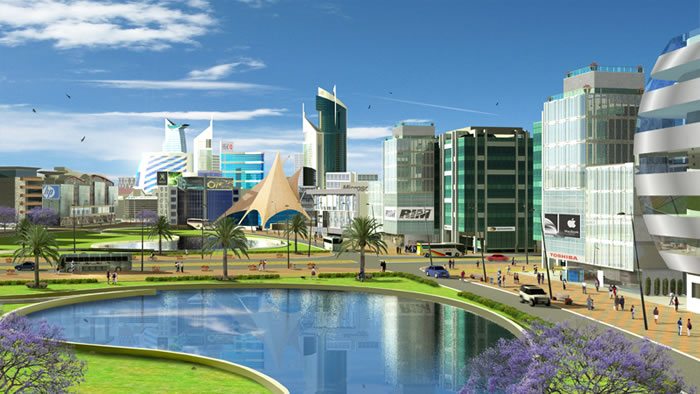
  • Konza Technopolis, Kenya: A flagship smart city project focusing on tech, research, and education
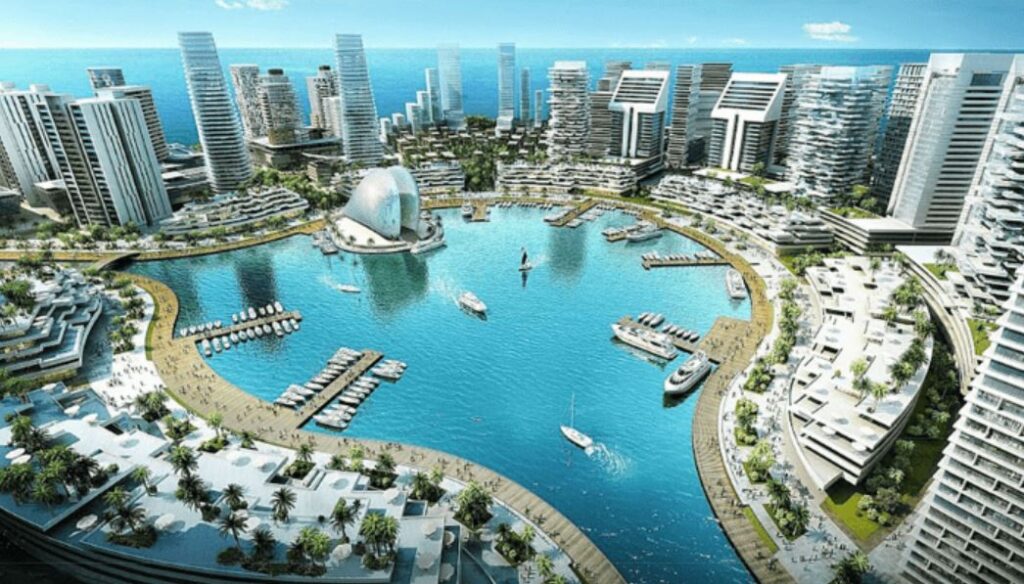
  • Eko Atlantic, Nigeria: A planned smart city rising on reclaimed land to tackle overcrowding in Lagos

  • Cape Town, South Africa: Pioneering smart water metering and digital government services
These are not isolated cases — they represent the beginning of a continental shift toward intelligent urban design.

The Challenges Ahead

  • Digital inequality: Bridging the urban-rural connectivity gap is essential
  • Policy frameworks: Strong governance and cybersecurity standards are needed
  • Financing: Public-private partnerships will play a critical role in funding infrastructure

Despite these hurdles, the long-term cost of not building smart is far greater — inefficient cities lead to higher emissions, weaker economies, and more social fragmentation.

Final Thought: Building Cities That Think, Adapt, and Care

Smart cities are not just about gadgets or glass buildings — they are about designing cities that respond to the needs of their people in real time. They are the future of inclusive development, green growth, and digital democracy.

“The smart cities of the future will not just be connected — they will be compassionate, inclusive, and conscious of their impact.”


Urban Futures Institute
Previous articleA First for Africa: 100% Funded Scholarships Spark New Era of Opportunity Through Maela Consortium PartnershipNext article A Letter to Africa’s Youth: Evening Routines That Sharpen Your Edge and Shape Your Future

Leave a Reply Cancel reply

Your email address will not be published. Required fields are marked *

About The Consortium

The MAELA Consortium (MAELA) is a coalition of top companies from diverse industries, all dedicated to excellence, innovation, and sustainable growth.

Recent Posts

Driving Safe & Reliable Transport This April SeasonApril 1, 2026
Easter in South Africa: Innovation, Safety, and the African Mind Behind the JourneyMarch 31, 2026
The Ripple Effect: How Surging Gas Prices Could Reshape Africa’s Key IndustriesMarch 24, 2026

Categories

  • Lifestyle
  • News
  • Others
  • People
  • Uncategorized

Tags

African female entrepreneurs African innovation education empowerment female trailblazers HR leadership tips inclusive economic growth Maela Consortium Maela Consortium scholarships mentorship in Africa Post-holiday productivity sustainable development women leaders in Africa work routine after break youth leadership in Africa
Maela Consortium
The MAELA Consortium (MAELA) is a coalition of top companies from diverse industries, all dedicated to excellence, innovation, and sustainable growth.

Reach Us

  • info@maelaconsortium.com
  • https://www.linkedin.com
  • https://www.facebook.com

Join our Newsletter 

Companies

  • Blended Mining
  • BRICS Africa Foundation
  • Fintech, Cryto, Gold coin
  • Health Sector
  • Kokozu International
  • Lamela Consulting
  • Maela Distributors
  • Parasource Group
  • Pioneer Institute
  • Blended Mining
  • BRICS Africa Foundation
  • Fintech, Cryto, Gold coin
  • Health Sector
  • Kokozu International
  • Lamela Consulting
  • Maela Distributors
  • Parasource Group
  • Pioneer Institute

All Rights Reserved

Maela Consortium

Manage Consent
To provide the best experiences, we use technologies like cookies to store and/or access device information. Consenting to these technologies will allow us to process data such as browsing behavior or unique IDs on this site. Not consenting or withdrawing consent, may adversely affect certain features and functions.
Functional Always active
The technical storage or access is strictly necessary for the legitimate purpose of enabling the use of a specific service explicitly requested by the subscriber or user, or for the sole purpose of carrying out the transmission of a communication over an electronic communications network.
Preferences
The technical storage or access is necessary for the legitimate purpose of storing preferences that are not requested by the subscriber or user.
Statistics
The technical storage or access that is used exclusively for statistical purposes. The technical storage or access that is used exclusively for anonymous statistical purposes. Without a subpoena, voluntary compliance on the part of your Internet Service Provider, or additional records from a third party, information stored or retrieved for this purpose alone cannot usually be used to identify you.
Marketing
The technical storage or access is required to create user profiles to send advertising, or to track the user on a website or across several websites for similar marketing purposes.
Manage options Manage services Manage {vendor_count} vendors Read more about these purposes
View preferences
{title} {title} {title}