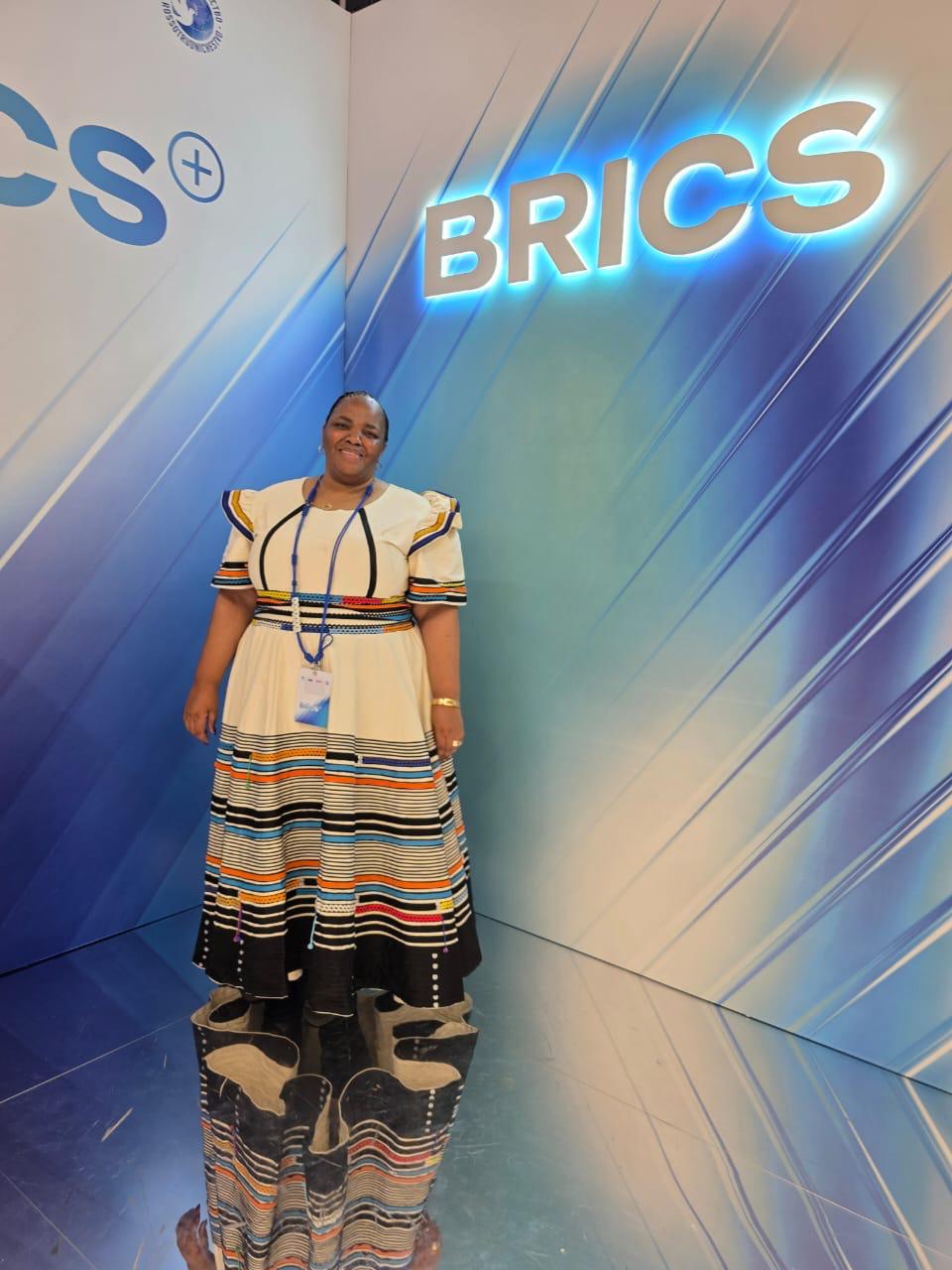
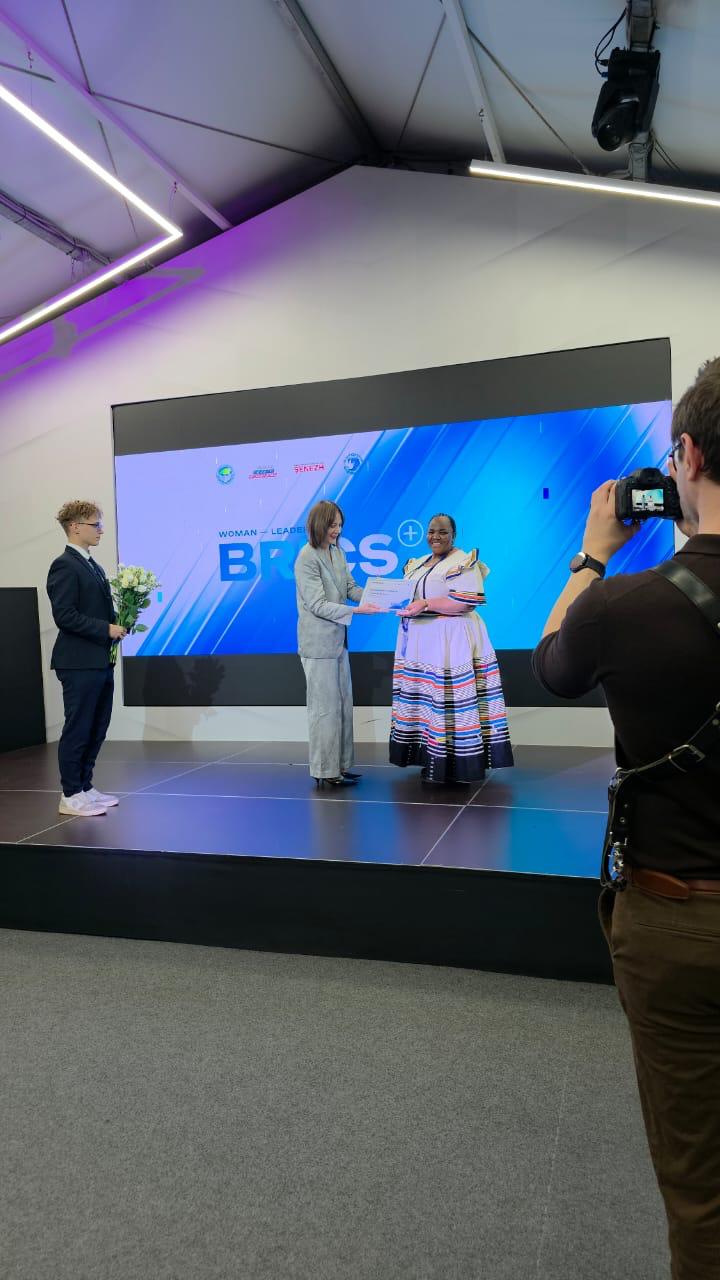
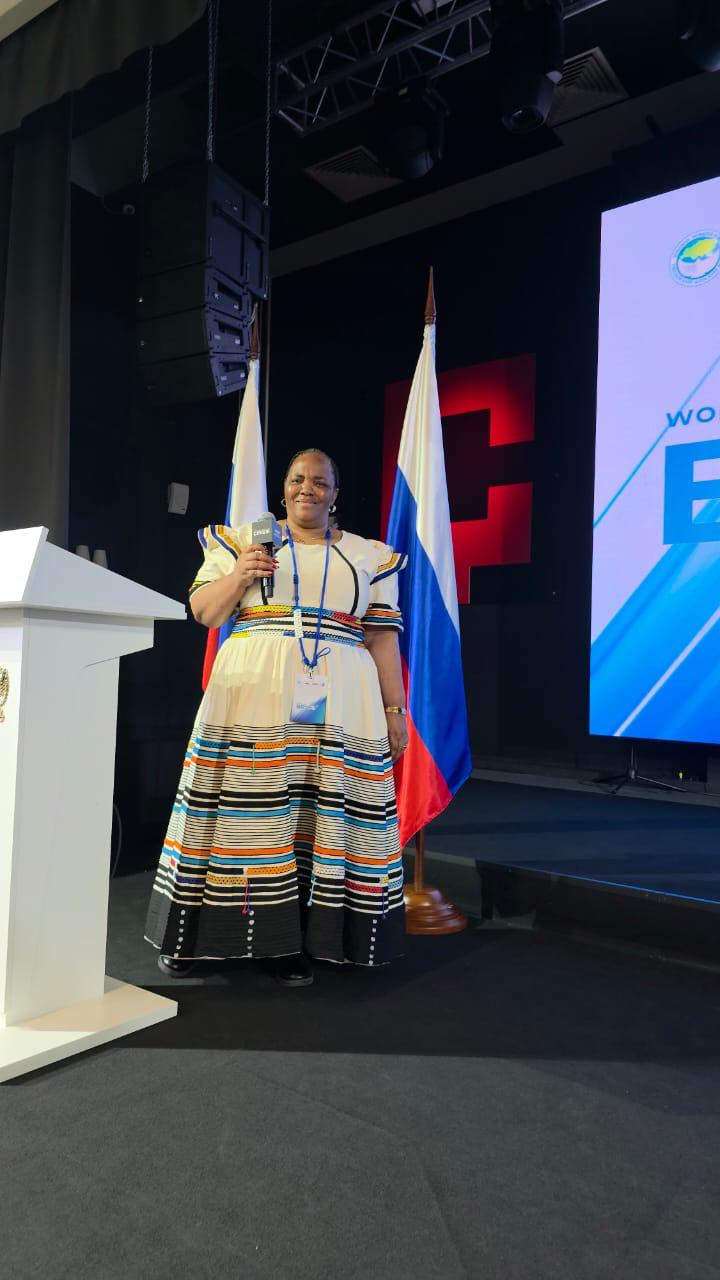
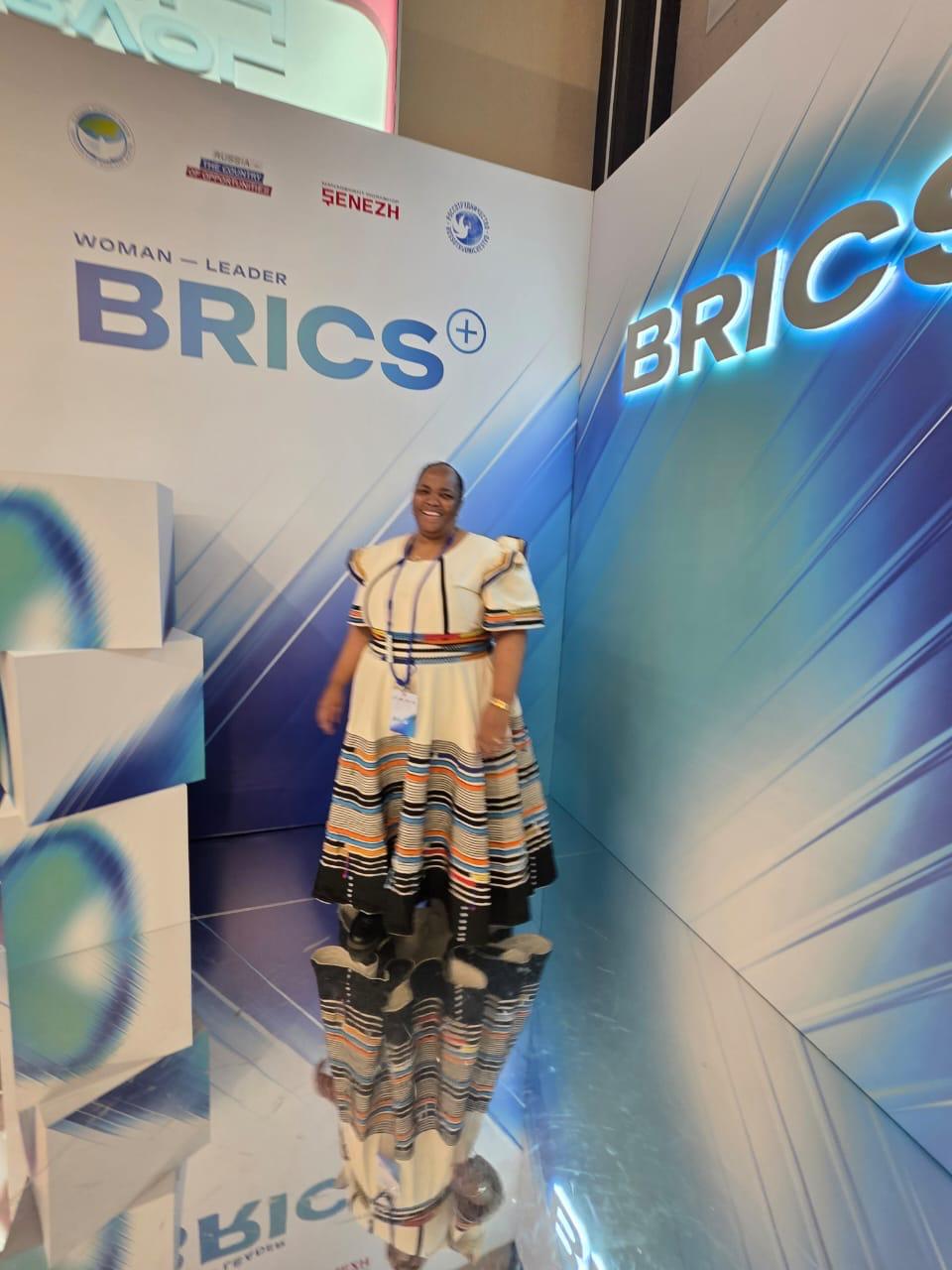
A powerful new cohort of women leaders has converged at Russia’s “Senezh” Management Workshop, marking a significant step in solidifying the people-centric architecture of the BRICS alliance. The “Women Leader. BRICS+” program, which boasted a highly competitive selection process of nearly nine applicants per spot, has gathered influential figures from government, business, and civil society across 13 nations. Among the distinguished participants is Shella Maela, whose presence and proactive engagement underscore the critical role of visionary female leadership in shaping a multipolar world.
The program, as detailed in its launch, is designed to forge sustainable alliances and develop concrete international projects. It focuses on integrating traditional values, enhancing management competencies, and building a robust ecosystem for women’s entrepreneurship through mechanisms like the BRICS Women’s Business Alliance. For leaders like Maela, this format provides an unparalleled platform to translate shared principles into actionable strategies.
Maela’s Vision: BRICS as a Catalyst for Sovereign Development
In alignment with the program’s stated mission to promote a polycentric world order, Shella Maela emphasized that BRICS is not merely an economic bloc but a philosophical and strategic framework for sovereign development. “The true power of BRICS lies in its foundational respect for civilizational diversity and its commitment to mutually beneficial cooperation,” Maela stated. “This program brilliantly captures that spirit by moving beyond theory and focusing on the human capital—the women—who will build the connective tissue between our nations.”
She praised the program’s focus on the creative economy and tourism as vital, often underleveraged sectors where women’s innovation can thrive and drive inclusive growth. “When we talk about the global economy, we must move past outdated paradigms. The economies of the future are digital, creative, and sustainable. BRICS, with its immense cultural wealth and youthful dynamism, is uniquely positioned to define this future, and women leaders are at the forefront of this transformation,” Maela added.
Africa’s Strategic Frontier in the BRICS Architecture
Maela placed particular emphasis on the immense opportunity BRICS presents for Africa, a continent of unparalleled potential and a key constituent of the Global South. “The inclusion of South Africa, Egypt, Uganda, and other partners is not symbolic; it is strategic,” she noted. “Africa is the world’s next great economic frontier, and its integration into the BRICS+ ecosystem is essential for building a truly balanced global economy.”
She argued that the program’s goal of developing “societal resilience to external influence” resonates deeply with Africa’s aspirations for economic self-determination and enhanced agency on the world stage. “For Africa, BRICS represents a partnership of equals and a source of alternative platforms for trade, investment, and knowledge exchange. The initiatives born here, especially those led by women, can directly contribute to skills development, job creation, and the strengthening of our continental value chains,” Maela explained.
Building a Legacy of Concrete Collaboration