As a journalist reporting from the heart of Africa, I’ve seen firsthand how decisions made in distant boardrooms in Washington, Beijing, and Brussels echo through the streets of Lagos, the ports of Mombasa, and the farms of Accra. While Africa may not be a central player in the current global trade wars, we are undeniably caught in the crossfire.
In today’s increasingly interconnected global economy, a global trade war doesn’t just affect the nations involved—it ripples outward, shaping the futures of economies across the African continent. And as African nations push for industrialization and economic self-reliance, these disruptions offer both serious risks and emerging opportunities.
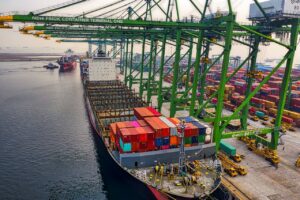
Africa’s Dependency on Global Trade Networks
Many African economies remain deeply reliant on international supply chains, particularly for machinery, fuel, industrial inputs, and technology. Tariff hikes and trade restrictions between major powers like the United States and China, or Europe and Russia, directly impact:
- The cost of imported goods
- The pace of infrastructure development
- The availability of raw materials needed for Africa’s manufacturing ambitions
In countries like Kenya, Ethiopia, and Nigeria, delays in supply delivery and spiking costs are being felt across industries—from transport to agriculture.
Commodities: When Prices Crash, We Feel It First
African economies are historically export-driven, heavily reliant on commodities like oil, copper, cocoa, and coffee. But when global powers enter a trade war, demand often drops, dragging commodity prices down with it.
For countries like Angola and Zambia, which depend on oil and copper exports respectively, this can mean budget shortfalls, currency depreciation, and shrinking social spending—directly affecting citizens’ lives.
Exports Under Pressure: A Shrinking Global Market
While trade wars can occasionally create opportunities—such as a temporary increase in demand for African agricultural products—long-term outcomes are often negative. As major economies cut back on imports or shift focus to domestic production, African exporters face:
- Tougher competition
- Reduced access to traditional markets
- Uncertainty in long-term contracts
Our agricultural producers, textile manufacturers, and raw material exporters are the ones most exposed to these shifts.
Investment Hesitation: Africa’s Growth Interrupted
Perhaps one of the most alarming side effects of global trade instability is its impact on foreign direct investment (FDI) into Africa. When the global market is volatile, investors become more risk-averse. As a result, many infrastructure projects, manufacturing expansions, and tech ventures across Africa are delayed or abandoned altogether.
This directly undermines the continent’s development goals, particularly in countries aggressively pushing industrial agendas like South Africa, Ghana, and Rwanda.
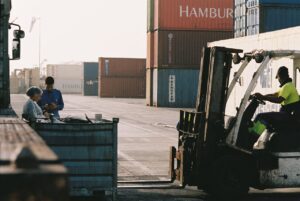
Turning Inward: A Case for Intra-African Trade
But amid these challenges, Africa is not without agency. The growing instability in global trade presents a clear and urgent case for strengthening regional trade through the African Continental Free Trade Area (AfCFTA).
By building resilient intra-African supply chains, investing in local manufacturing, and reducing dependency on volatile international markets, Africa can:
- Create jobs
- Retain value within its borders
- Foster economic unity across the continent
AfCFTA is more than a trade agreement—it is Africa’s strategic shield against external shocks.
The Opportunity in the Storm
Africa stands at a crossroads. The global trade war is a wake-up call—not just about the risks of external dependency but about the power of local potential. Across the continent, young innovators, entrepreneurs, and policymakers are reimagining Africa’s place in the global economy—not as a passive player, but as a driver of solutions and innovation.
Let this trade turbulence serve as a reminder: Africa’s future will not be determined by foreign powers alone—but by how we choose to respond, unite, and invest in ourselves.
As an African reporter, I see not just the headlines—but the humans behind them. And the story of Africa’s trade resilience is just beginning.